

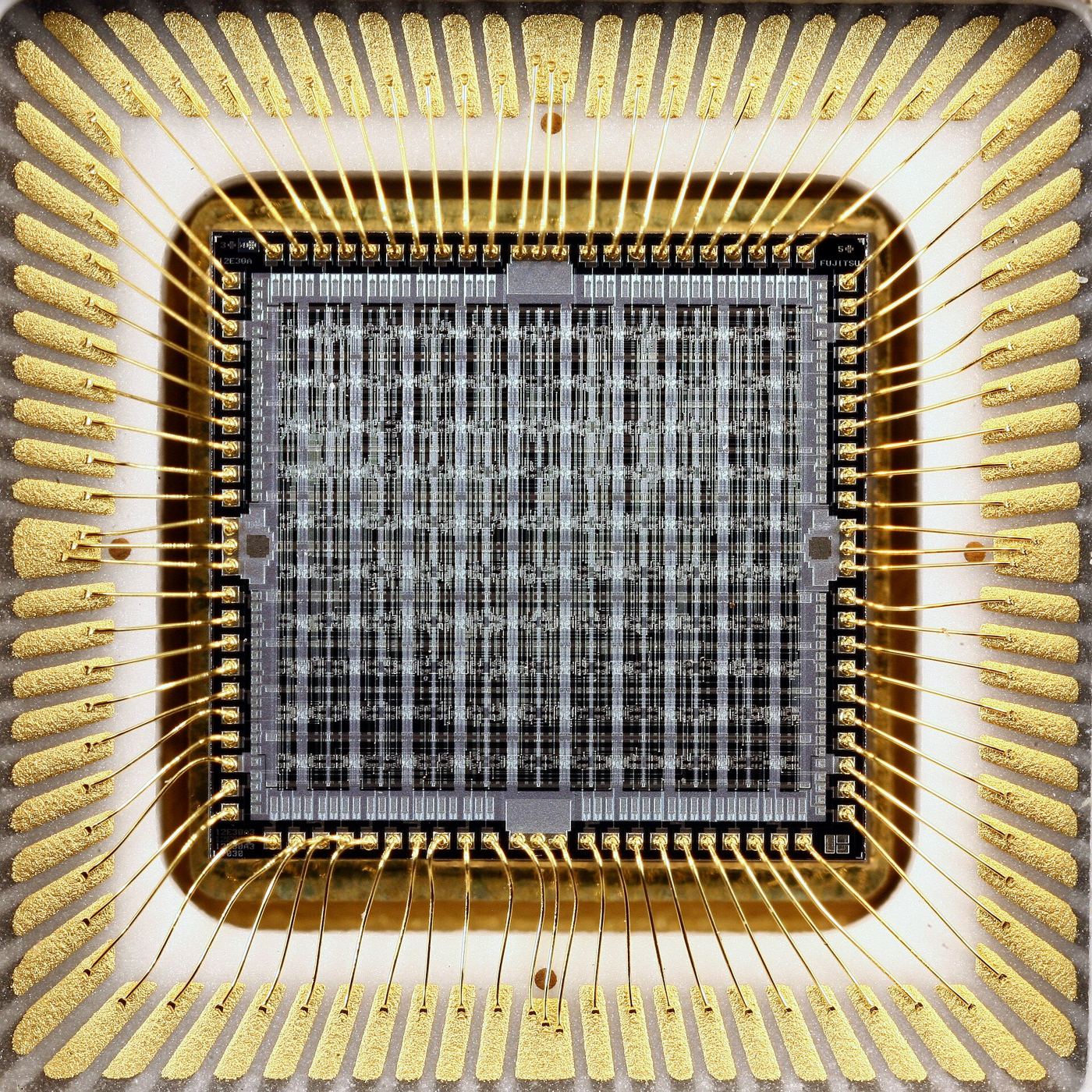
AMD announced on 16 November that it has completed its acquisition of World Labs, the spatial-intelligence company founded by the renowned computer scientist Fei-Fei Li. World Labs builds artificial intelligence models that understand the three-dimensional world from ordinary images and can generate interactive 3D scenes from a single photograph. As part of the deal, Li joins AMD as executive vice president and chief scientist, bringing her team with her. The move signals AMD’s ambition to compete beyond raw chip performance, adding world-model technology that matters for robotics, simulation and autonomous systems. It is one of the most significant AI acquisitions of the year. World Labs was founded in 2024 and quickly became one of the best-known startups in spatial AI, attracting attention for demonstrations that turned single photographs into explorable three-dimensional scenes.
What the Evidence Shows
Spatial AI is becoming a strategic battleground because the next generation of machines must understand space, not just text and images. Robots, self-driving vehicles and augmented-reality devices all need models that can reason about depth, occlusion and how objects move through a room. By owning World Labs, AMD gains both the research talent and the models to pair with its own processors and accelerators. The challenge now is turning research demonstrations into products developers actually use, and proving that AMD’s hardware and software together can rival the offerings of its larger competitors. The deal also reflects a wider pattern in the AI industry, where chipmakers are buying software and model companies to make their hardware more useful and harder to replace. Reporting and analysis from sources such as IEEE Spectrum track the same developments, and specialists following AMD’s acquisition of the spatial AI firm World Labs say the direction is now consistent across independent lines of evidence.
The Wider Context
Adoption of AMD’s acquisition of the spatial AI firm World Labs follows a familiar pattern with an unfamiliar speed. Early users tolerate rough edges in exchange for advantage, mainstream users arrive when the tool disappears into existing workflows, and the market consolidates around whoever made that transition feel effortless. Vendors are racing less on raw performance now than on integration, support and trust.
What Happens Next
The realistic forecast for AMD’s acquisition of the spatial AI firm World Labs is steady integration rather than sudden replacement: embedded in products people already use, improving in increments, and regulated in proportion to its reach. The companies and institutions that plan on that basis, training staff and redesigning processes instead of chasing launches, are the ones the adoption data tends to vindicate. You can follow related developments in our coverage of technology.
It is also worth remembering how quickly the picture in this area has changed before. Positions that looked settled a few years ago have been revised as new data arrived, and the same humility is appropriate now. The strongest coverage of this subject, and the most useful advice, tends to come from sources that update their views openly when the facts move, rather than defending an earlier position long after it has stopped fitting the evidence available.
