

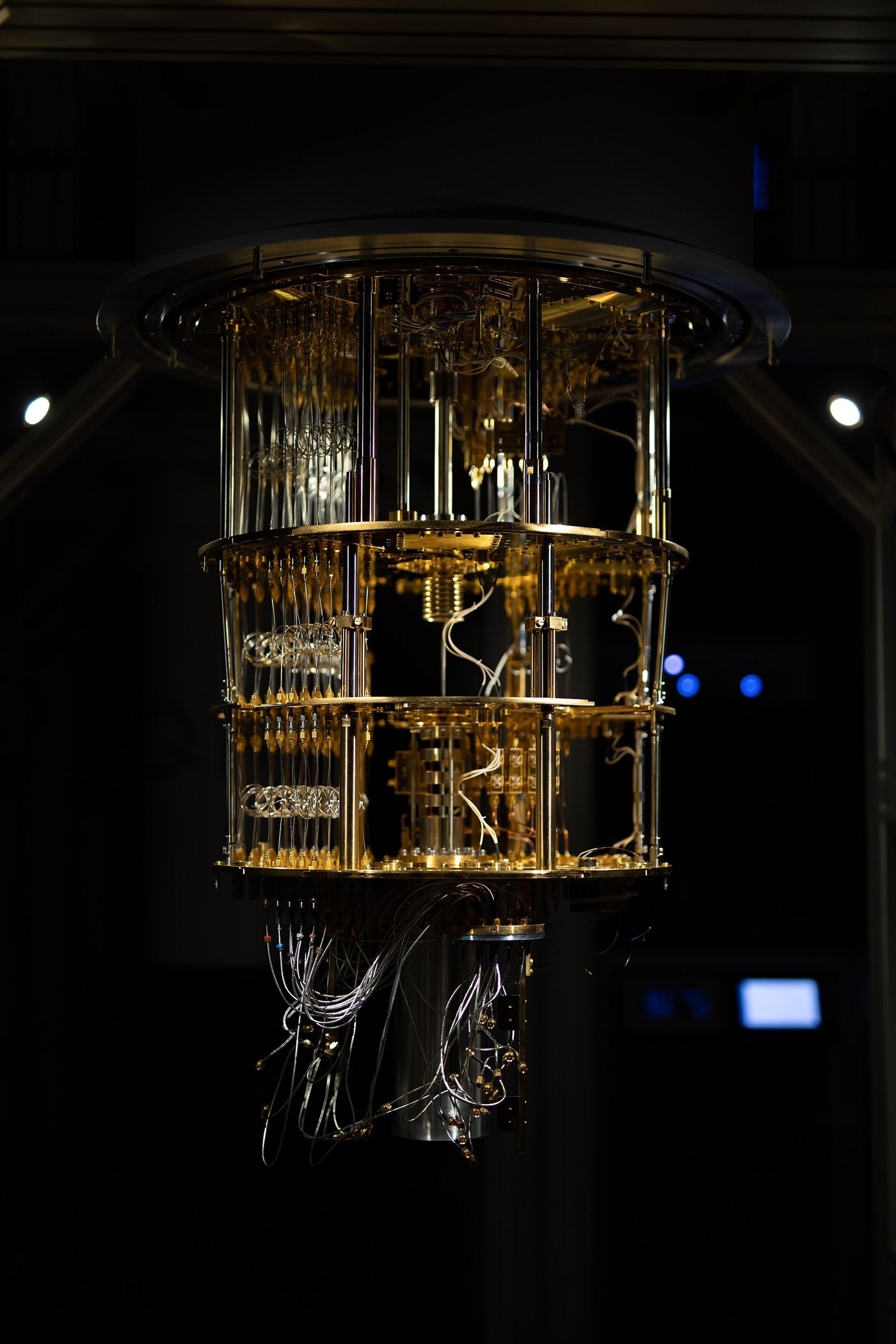
Quantum computers work on principles that sound strange to everyday experience, using the behaviour of particles at the smallest scales to solve problems that would take ordinary machines far too long. Their basic units, called qubits, can hold many possibilities at once, letting the machine explore vast numbers of answers in parallel. For years these devices lived only in research laboratories, cooled to temperatures colder than deep space and tended by teams of physicists. Now the first commercial systems are being installed in data centres and research institutes, where scientists and engineers are testing what they can actually do. Early uses include simulating molecules for new materials, optimising complex logistics and exploring problems in finance and chemistry. The machines are still limited and error-prone, but each generation brings more qubits, better stability and clearer evidence of where they may help. That shift from laboratory curiosity to working hardware marks a turning point for the field.
What the Evidence Shows
The central challenge is fragility. Qubits lose their delicate quantum state at the slightest disturbance from heat, vibration or stray electromagnetic signals, so the processors sit inside elaborate cryostats that keep them near absolute zero. Engineers are also learning to correct errors, combining many physical qubits into a single reliable logical one, a technique that will be essential for larger machines. Companies are taking different paths, building qubits from superconducting circuits, trapped ions and other approaches, each with its own strengths and drawbacks. Progress is measured not only in qubit counts but in how long the machines can compute before errors creep in. For now, quantum computers are specialist tools rather than replacements for ordinary machines, but the hardware is leaving the laboratory and entering the real world. The road ahead is long, but the direction is clear. Reporting and analysis from sources such as IEEE Spectrum track the same developments, and specialists following the quantum processors taking their first steps beyond the lab say the direction is now consistent across independent lines of evidence.
The Wider Context
Adoption of the quantum processors taking their first steps beyond the lab follows a familiar pattern with an unfamiliar speed. Early users tolerate rough edges in exchange for advantage, mainstream users arrive when the tool disappears into existing workflows, and the market consolidates around whoever made that transition feel effortless. Vendors are racing less on raw performance now than on integration, support and trust.
What Happens Next
The realistic forecast for the quantum processors taking their first steps beyond the lab is steady integration rather than sudden replacement: embedded in products people already use, improving in increments, and regulated in proportion to its reach. The companies and institutions that plan on that basis, training staff and redesigning processes instead of chasing launches, are the ones the adoption data tends to vindicate. You can follow related developments in our coverage of technology.
It is also worth remembering how quickly the picture in this area has changed before. Positions that looked settled a few years ago have been revised as new data arrived, and the same humility is appropriate now. The strongest coverage of this subject, and the most useful advice, tends to come from sources that update their views openly when the facts move, rather than defending an earlier position long after it has stopped fitting the evidence available.
