

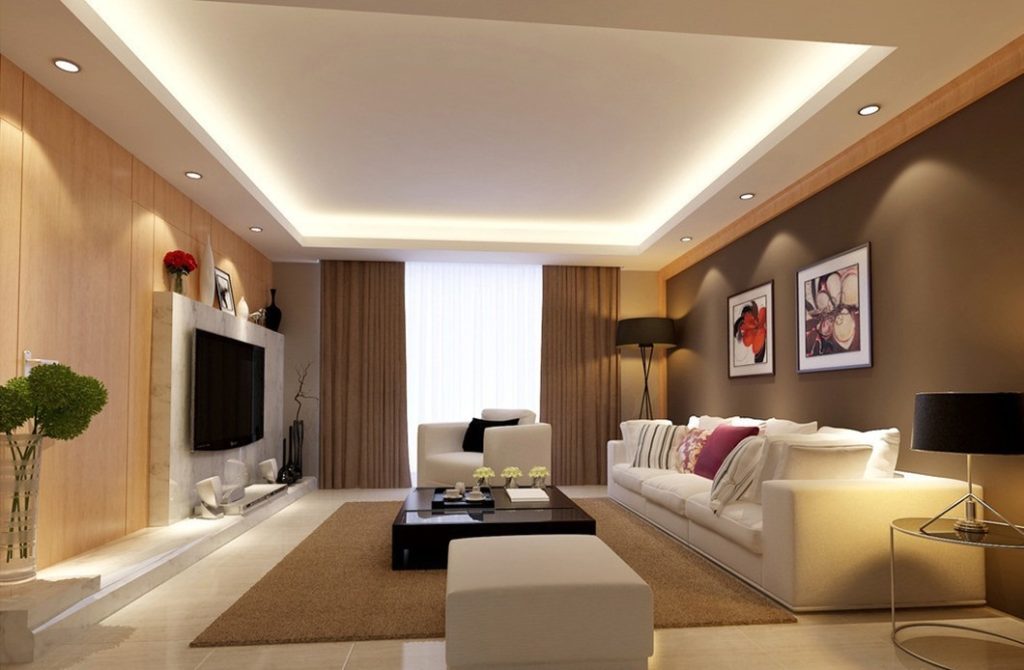
Have you ever walked into a room and instantly felt more relaxed, or conversely, suddenly alert and ready to work? While we often credit our mood or energy levels to sleep, diet, or stress, there’s a subtle environmental factor at play that frequently goes unnoticed: light.
Light does more than just help us see. It cues our circadian rhythms, signals our brains when to wake up or wind down, and fundamentally shapes our experience of a space. Whether you are setting up a home office, a cozy reading nook, or a corporate workspace, understanding the principles of effective lighting design can transform not just how a room looks, but how you feel and function within it.
The Science of Concentration
When it comes to getting things done, not all light is created equal. If you’ve ever tried to read a book in a dimly lit room or stared at a computer screen under harsh, flickering fluorescents, you know the struggle of eye strain.
For tasks requiring deep focus—like studying, writing, or detailed manual work—cool, bright light is generally best. This type of light, which mimics the brightness of the midday sun, suppresses melatonin (the sleep hormone) and keeps us alert.
However, the gold standard for concentration is natural light. Studies consistently show that access to daylight improves focus and cognitive performance. If you can, position your desk near a window. If natural light isn’t an option, artificial lighting design can step in to fill the gap. Look for LED bulbs with a higher color temperature (around 4000K to 5000K) for your workspace to simulate that crisp, alerting daylight effect.
Setting the Mood
While cool light wakes us up, warm light helps us wind down. Lighting has a profound psychological impact on our emotions. Think about the difference between the stark, clinical lights of a hospital and the soft, amber glow of a favorite restaurant. One feels sterile and alert; the other feels intimate and safe.
Warm lighting (around 2700K to 3000K) creates a cozy atmosphere that promotes relaxation. This is why living rooms and bedrooms often feature lamps with softer, yellow-toned bulbs. Using dimmer switches is a fantastic way to control this atmosphere, allowing you to transition a space from “active” to “relaxed” as the evening progresses.
If you are feeling stressed or anxious, harsh overhead lighting can actually exacerbate those feelings. Switching to layered lighting—using floor lamps, table lamps, and sconces rather than a single bright ceiling fixture—can soften the environment and help lower stress levels.
Lighting Your Way to Productivity
Productivity isn’t just about working harder; it’s about working smarter and more comfortably. Poor lighting causes eye strain, headaches, and fatigue, all of which are productivity killers.
A thoughtful approach to lighting design considers the task at hand. For computer work, bias lighting (lighting placed behind a screen) can reduce the contrast between the bright display and the dark room, saving your eyes from fatigue. For creative brainstorming, slightly dimmer, warmer light might actually encourage freer thinking compared to the analytical sharpness of cool light.
Perhaps the most important strategy is adaptability. Our bodies aren’t designed to sit under the same static light intensity for 12 hours a day. Mimicking the natural progression of the sun—starting with bright, cool light in the morning and transitioning to warmer, softer light in the late afternoon—helps maintain energy levels without burning out.
Bright Ideas for Better Living
We often treat lighting as an afterthought—something to fix only when a bulb burns out. But by viewing light as a tool for well-being, we can make small changes that yield big results.
Start simple. Swap out that harsh white bulb in your bedside lamp for a warm one. move your desk to face the window. Add a task lamp to your workspace to reduce eye strain.
Ultimately, good lighting design is about harmony. It’s about creating spaces that support what we need to do, whether that’s crunching numbers, reading a novel, or simply taking a deep breath after a long day. When we get the light right, everything else looks—and feels—a little bit brighter.
