

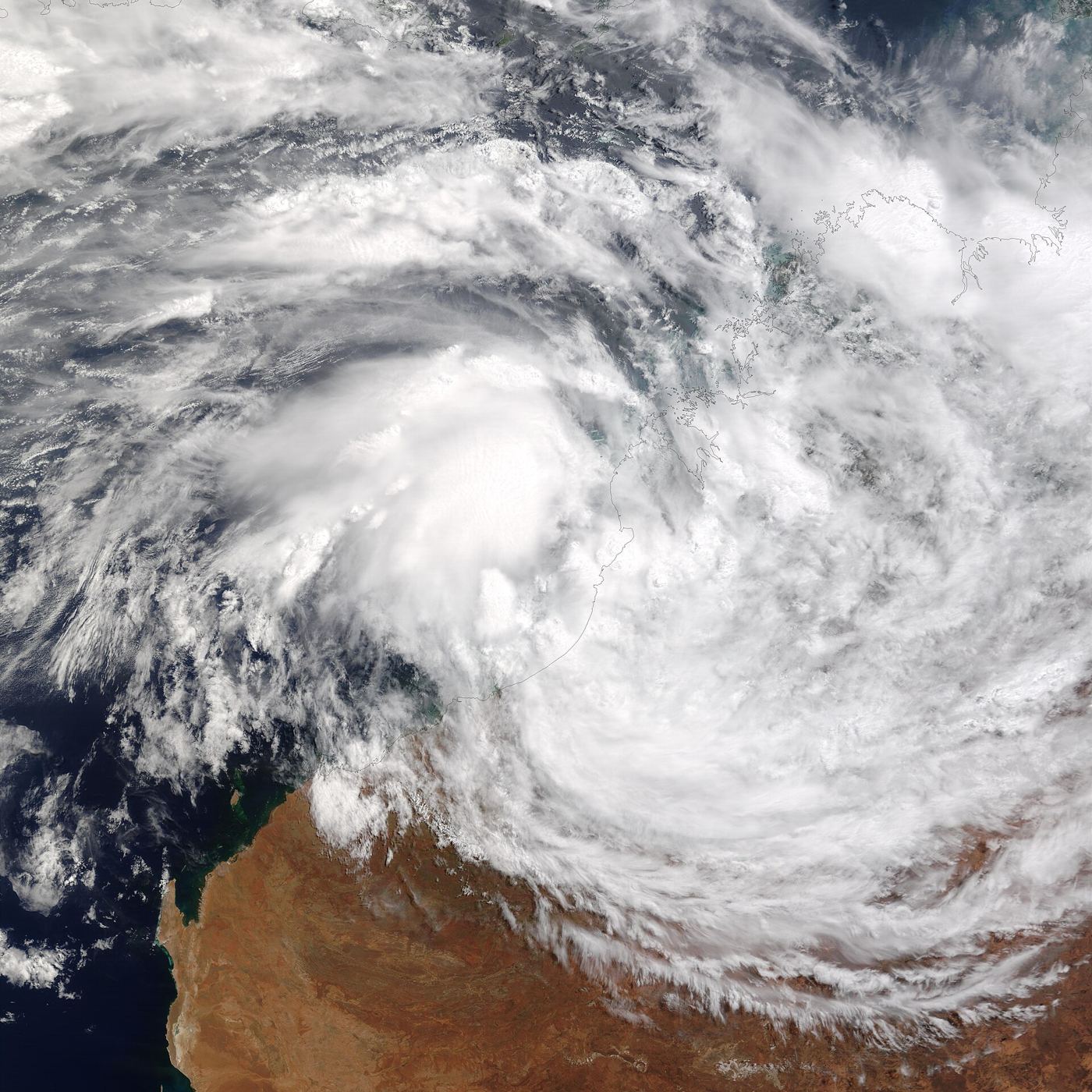
Google DeepMind has launched Weather Lab, an interactive website that uses artificial intelligence to forecast the weather, including tropical cyclones. The company announced the public preview on 23 November 2026, alongside an experimental AI cyclone model that can predict both the track and the intensity of a cyclone up to 15 days in advance. The site lets users explore AI weather forecasts for their own region, built on models trained on decades of atmospheric data. Cyclones are among the most destructive weather events, and longer, more accurate forecasts could give communities more time to prepare. Google says the models are designed to complement, rather than replace, the forecasts produced by national weather services.
What the Evidence Shows
The launch matters because AI weather models have improved rapidly, in some cases matching or beating traditional physics-based forecasts for certain measures. A cyclone model that looks 15 days ahead could change how emergency services plan evacuations and how insurers assess risk. The website is free to use, which puts professional-grade forecasting tools in the hands of researchers, journalists and the public. Critics caution that AI models can be less reliable for rare extremes, and that their forecasts should be checked against established systems. Even so, Weather Lab is the clearest sign yet that AI forecasting is moving from the laboratory into everyday use. Reporting and analysis from sources such as IEEE Spectrum track the same developments, and specialists following the Google Weather Lab cyclone model say the direction is now consistent across independent lines of evidence.
The Wider Context
Adoption of the Google Weather Lab cyclone model follows a familiar pattern with an unfamiliar speed. Early users tolerate rough edges in exchange for advantage, mainstream users arrive when the tool disappears into existing workflows, and the market consolidates around whoever made that transition feel effortless. Vendors are racing less on raw performance now than on integration, support and trust.
What Happens Next
The realistic forecast for the Google Weather Lab cyclone model is steady integration rather than sudden replacement: embedded in products people already use, improving in increments, and regulated in proportion to its reach. The companies and institutions that plan on that basis, training staff and redesigning processes instead of chasing launches, are the ones the adoption data tends to vindicate. You can follow related developments in our coverage of technology.
It is also worth remembering how quickly the picture in this area has changed before. Positions that looked settled a few years ago have been revised as new data arrived, and the same humility is appropriate now. The strongest coverage of this subject, and the most useful advice, tends to come from sources that update their views openly when the facts move, rather than defending an earlier position long after it has stopped fitting the evidence available.
