

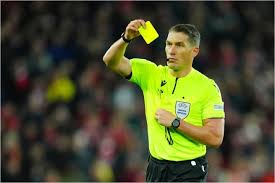
Some Ligue 1 fixtures repeatedly generate a high number of yellow cards because of who is playing, how they play, and who is officiating. When you combine team discipline profiles, stylistic clashes and referee behaviour, you can anticipate matches where the risk of multiple bookings is structurally higher rather than just hoping for a “feisty” game.
Why It Makes Sense to Talk About “Card-Heavy” Ligue 1 Fixtures
Yellow cards in Ligue 1 are not distributed randomly; they cluster around certain teams and referees over full seasons. Fair‑play tables that convert yellow and red cards into points show clear differences between clubs that consistently sit near the top for bookings and those that stay among the cleanest sides, indicating stable behaviour patterns in both discipline and playing style.
League‑wide card stats that break numbers into “for” (cards received) and “against” (cards for opponents) reveal that some teams play in ways that attract more fouls and contact, increasing card counts for both sides. When those teams meet, especially under referees with a history of above‑average bookings per match, the probability of a card‑heavy encounter rises for structural reasons rather than because of narrative labels alone.
What the Discipline Tables Say About High-Card Teams
Fair‑play and yellow‑card tables for recent Ligue 1 seasons highlight recurring offenders. In 2024–25, for example, Lens and Montpellier tied for the most yellow cards in the division with 83 over the campaign, while Paris Saint‑Germain recorded the fewest with 40, underlining a large gap between the most and least card‑heavy teams.
More detailed yellow‑card stats for 2025–26 show that clubs such as Marseille, Rennes, Lens, Monaco, Nice, Lyon, Auxerre, Nantes, Lille and Strasbourg all feature high averages of cards both “for” and “against” in their games, often with over 3.5 or even 4.5 total bookings hit regularly. This pattern signals that their fixtures, not just their own players, tend to be card‑rich environments where physical duels and tactical fouls are common.
How Playing Style and Tactical Choices Drive Card Volume
Tactical profiles help explain why some teams accumulate more bookings and draw more from opponents. High‑pressing and man‑oriented systems generate more fouls by design, because defenders must make repeated challenges far from goal and commit tactical fouls to stop transitions when pressing traps fail.
On the other side, sides that attack directly, drive at defenders and spend long spells in the final third induce more late tackles and holding fouls from opponents, boosting “cards against” in their matches. When a team that fouls heavily meets one that draws many fouls through dribbling and constant attacking pressure, the interaction naturally produces more situations where referees must manage repeated infringements and, over time, use yellow cards to regain control.
Mechanism: From Fouls and Pressure to Repeated Bookings
Across a match, the path from style to cards usually follows a repeatable mechanism. Aggressive pressing, high lines and energetic duels increase the number of fouls; referees may allow some early leniency, but persistent infringement, tactical stopping of counters and visible frustration eventually trigger bookings.
Card‑stats frameworks that track average cards “for” and “against” show this cumulative effect clearly: teams with high foul counts and intense styles often feature in fixtures with elevated total‑card averages, not only because they commit more fouls but also because they provoke opponents into late or cynical challenges as games become more stretched. Over a season, those tendencies manifest as consistently higher totals in card‑per‑game columns.
Table: Matchup Archetypes and Their Likely Card Profiles
To make sense of which Ligue 1 pairings lean toward many yellows, it helps to classify matchups by how the teams’ card profiles interact. The table below summarises common archetypes that you can map real fixtures onto using team and referee stats.
| Matchup archetype | Typical card-stat signals | Expected yellow-card behaviour |
| High-card vs high-card | Both teams high in “cards for” and “cards against”, frequent over‑3.5 and over‑4.5 hits | Games with sustained fouling, repeated tactical stops and a strong chance of multiple bookings on each side |
| High-card team vs low-card but very attacking side | One side high in cards for, the other with high cards against and strong dribbling/attack metrics | Aggressive side picks up fouls; attacking team draws bookings through pressure and one‑v‑ones |
| Two low-card sides with calm styles | Both near top of fair‑play tables, sub‑3.0 average total cards per game | More controlled matches with fewer cynical fouls; cards often limited to clear tactical or last‑man situations |
Reading fixtures through this structure clarifies when a high total‑cards outcome is structurally supported and when relatively low discipline numbers on both sides suggest that expectations for a “fight” may be overstated. It also highlights how a single card‑heavy team can lift overall match totals even when the other side is relatively clean.
The Role of Referees in Card-Heavy Ligue 1 Matches
Referees significantly influence card counts, and Ligue 1 data demonstrates clear differences in how often individual officials reach for their pocket. Referee‑stats tables list yellow cards per match, with some officials regularly averaging over 4 bookings per game and others staying closer to 3, even across similar numbers of fixtures.
For example, one recent season’s breakdown shows names such as Willy Delajod, François Letexier, Jérôme Brisard, Eric Wattellier and Benoît Bastien all averaging between about 4 and 5 total cards per match, while a second group clusters nearer 3–3.5. When a high‑card referee is assigned to a fixture between two already intense or foul‑prone teams, the cause–effect chain is straightforward: more fouls plus a lower threshold for bookings results in a higher likelihood of 4–6 yellow cards than in an equivalent game with a lenient official.
List: Practical Indicators That a Ligue 1 Fixture May Produce Many Yellows
Before getting lost in micro‑details, it is useful to have a compact list of indicators that, taken together, point toward a structurally card‑heavy Ligue 1 matchup. These indicators gain value when they align across both teams and the referee rather than being based on a single, isolated stat.
- Both clubs rank in the bottom half of the fair‑play table or among the top sides for yellow cards across the current season.
- Card‑stats tables show above‑average “cards for” (YF) and “cards against” (YA) numbers for these teams, with a high percentage of their matches ending over 3.5 and over 4.5 total cards.
- The assigned referee sits near the top of yellow‑cards‑per‑match tables for recent Ligue 1 seasons, indicating a higher baseline for bookings.
When these signals line up—two card‑heavy sides, strong over‑lines in their historical data, and a strict referee—the expectation of a busy card tally moves from guesswork to a pattern‑based projection. The reverse also holds: if a clean team faces another low‑card opponent under a lenient official, the structural case for a card‑heavy encounter becomes much weaker regardless of rivalry narratives.
How to Integrate Yellow-Card Tendencies into a Pre-Match Workflow (UFABET Paragraph Inside)
Once you move from identifying raw tendencies to making structured pre‑match judgments, the sequence in which you use information becomes critical. A disciplined workflow is to start with team‑level discipline tables and card averages, then add referee‑booking data, and only after that overlay tactical context such as pressing intensity, directness and game importance, so that you are building from stable numbers toward specific match narratives rather than the other way around. In settings where someone later views Ligue 1 fixtures through an online betting site operated by a provider like ยูฟ่า168, this order—identifying historically card‑heavy pairings first, then checking whether any totals or card‑related markets reasonably reflect that structural background—helps keep decisions grounded in repeatable patterns of fouls, bookings and referee behaviour instead of being swayed by last‑minute headlines about “heated” clashes that statistics do not really support.
Where the “Card-Heavy Fixture” Idea Can Mislead
There are also clear failure points in assuming that past card trends will automatically continue. Small samples, changes in coaching style or a shift in a team’s tactical approach can quickly alter foul counts and discipline, especially early in a season when a couple of high‑card matches can skew averages.
Refereeing emphasis can also change across campaigns as league authorities adjust guidelines on contact and dissent, subtly lowering or raising card counts even for the same officials. Finally, match context—title races, relegation battles or dead‑rubber games—shapes risk appetite and emotional intensity; a historically card‑heavy team may show surprising restraint when a single suspension could cost them a key player for the following week.
Summary
Talking about Ligue 1 fixtures with a strong tendency toward many yellow cards is reasonable because team discipline tables, card‑for/against metrics and referee statistics all highlight environments where bookings consistently cluster. The most robust pre‑match approach is to treat those numbers as structural context—combining high‑card teams, strict officials and stylistic clashes—so that expectations about busy card totals rest on demonstrable patterns in fouls and bookings rather than on vague assumptions that every derby or “intense” matchup will automatically turn into a card‑fest.
