

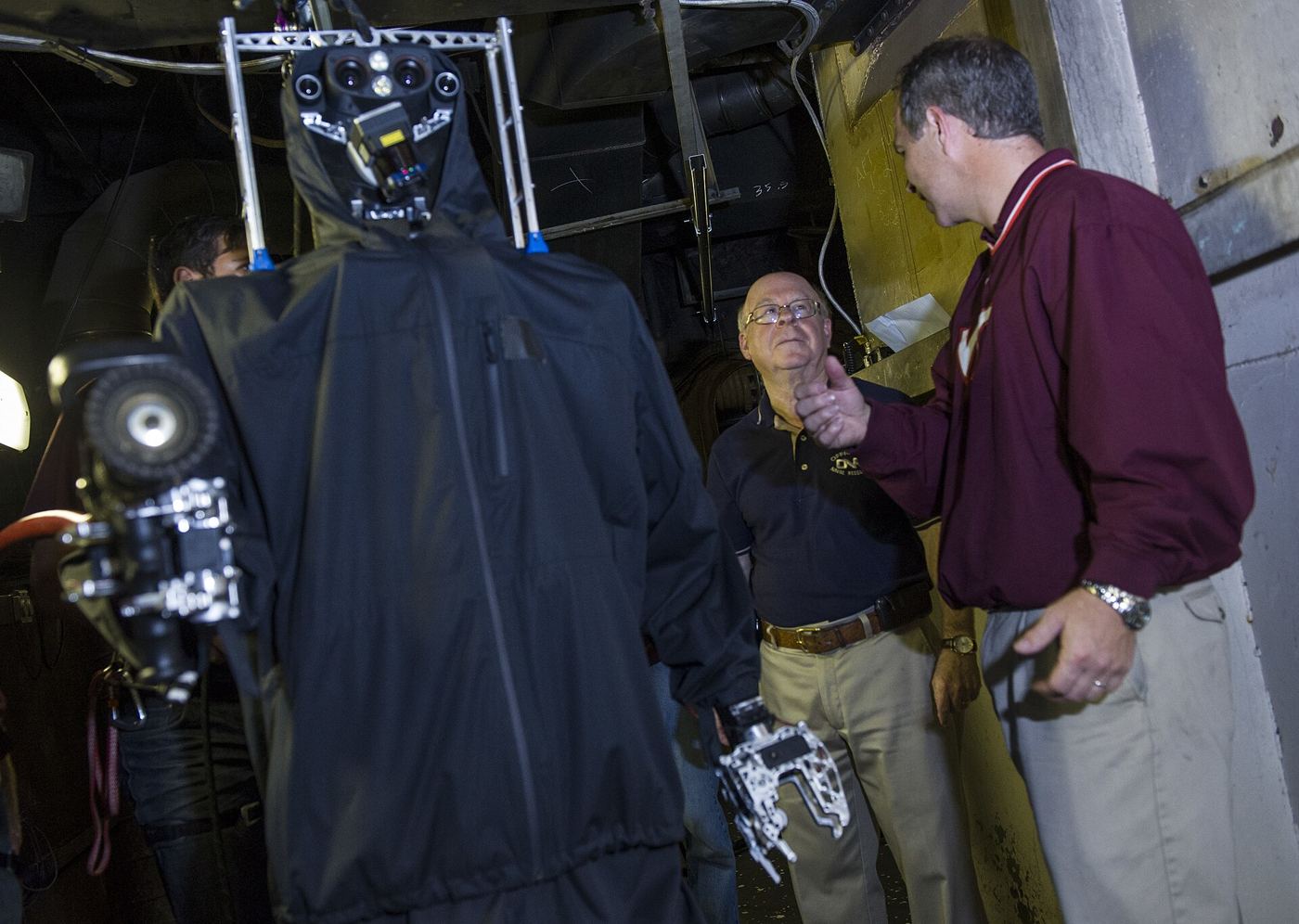
Before a humanoid robot can be trusted to work beside people, it has to demonstrate that it can stumble without falling, recover from a push and set down awkward loads without drama. Safety laboratories have become the proving grounds for those skills, running bipedal machines through standardised trials on slippery panels, ramps, loose surfaces and obstacle courses. Engineers measure how quickly a robot senses a disturbance, how it shifts its weight, and whether it protects itself and its surroundings when a fall is unavoidable. The tests are deliberately repetitive, because a balance trick performed once for a demonstration proves far less than the same recovery performed a hundred times with consistent results. Modern humanoids combine joint torque sensing, vision and rapid control loops to adjust each step, and laboratory data show where those systems still hesitate. Every failure is recorded from multiple angles, giving designers the evidence needed to strengthen ankles, revise software or rethink how the machine carries its batteries and computing hardware.
What the Evidence Shows
Standardised testing matters commercially as well as technically, because workplaces considering humanoid robots need comparable safety evidence rather than promotional videos. Insurers, regulators and factory managers all ask the same question: what happens on the machine’s worst day, not its best? Laboratories are therefore developing shared benchmarks, much as crash tests did for cars, so results from different manufacturers can be judged side by side. There is also growing attention to how robots behave around people during a fault, including how loudly they warn, how predictably they stop and how easily a worker can intervene. Researchers stress that today’s humanoids remain limited, with short battery life and narrow skill sets compared with the specialised machines already common in industry. Careful laboratory testing helps separate genuine progress from spectacle. If the technology does mature into warehouses, hospitals and care settings, its credibility will rest heavily on this unglamorous work of pushing robots over, measuring the outcome and publishing what happened. Reporting and analysis from sources such as IEEE Spectrum track the same developments, and specialists following humanoid robots practising balance in test laboratories say the direction is now consistent across independent lines of evidence.
The Wider Context
Adoption of humanoid robots practising balance in test laboratories follows a familiar pattern with an unfamiliar speed. Early users tolerate rough edges in exchange for advantage, mainstream users arrive when the tool disappears into existing workflows, and the market consolidates around whoever made that transition feel effortless. Vendors are racing less on raw performance now than on integration, support and trust.
What Happens Next
The realistic forecast for humanoid robots practising balance in test laboratories is steady integration rather than sudden replacement: embedded in products people already use, improving in increments, and regulated in proportion to its reach. The companies and institutions that plan on that basis, training staff and redesigning processes instead of chasing launches, are the ones the adoption data tends to vindicate. You can follow related developments in our coverage of technology.
It is also worth remembering how quickly the picture in this area has changed before. Positions that looked settled a few years ago have been revised as new data arrived, and the same humility is appropriate now. The strongest coverage of this subject, and the most useful advice, tends to come from sources that update their views openly when the facts move, rather than defending an earlier position long after it has stopped fitting the evidence available.
