

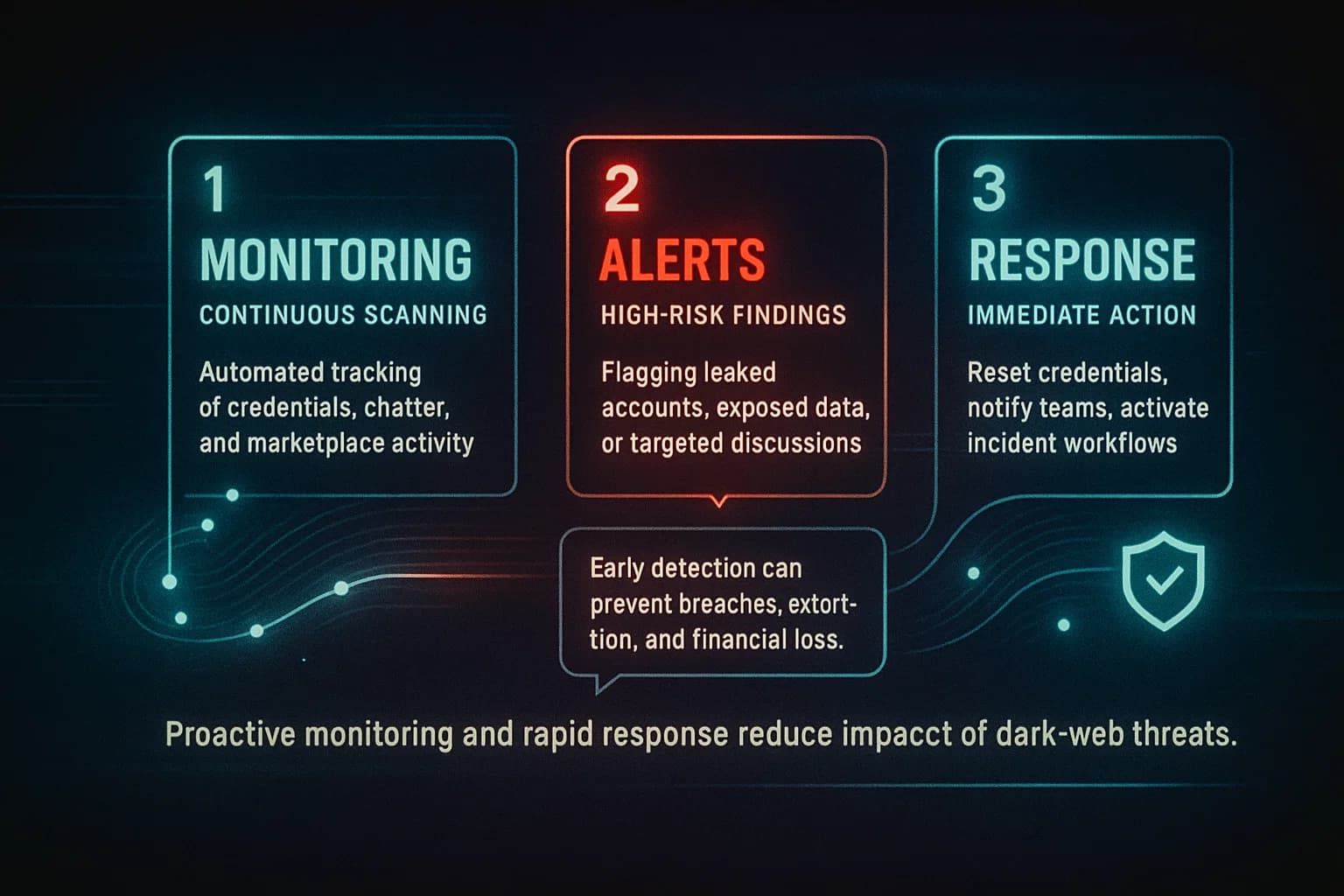
The internet is often described as a single global network, but in reality it consists of many different layers and types of services. Most people interact with the surface web, which includes websites indexed by conventional search engines. There are also private networks and services that require special software or authorization to access. Some of these environments are used for legitimate purposes, while others have become associated with criminal activity.
Within discussions about cybercrime and underground online marketplaces, the name bclub has appeared in connection with payment-card-related information and illicit digital activity. Because information about underground services can be difficult to verify, discussions about bclub.tk should be approached carefully. A domain name, forum post, or archived reference does not necessarily establish the current identity or activities of a particular platform.
Nevertheless, the subject provides an opportunity to understand the broader dark-web economy, why stolen data is valuable to criminals, and what security lessons individuals and organizations can take from this environment.
What Is the Dark Web?
The term “dark web” generally refers to online services that are intentionally hidden and require specialized technologies or configurations to access.
It is important to distinguish the dark web from the deep web.
The deep web includes content that ordinary search engines do not index, such as private databases, online banking portals, subscription services, and password-protected accounts. Most of the deep web is completely legitimate.
The dark web is a much smaller portion of the internet. It can provide anonymity for users and operators, which has legitimate applications, including protecting journalists, activists, and people living under restrictive regimes.
At the same time, the anonymity offered by some dark-web technologies has also been exploited for illegal activities.
These can include the sale of stolen information, fraud services, malware-related activity, and other forms of cybercrime.
Who or What Is Bclub?
Bclub is a name that has appeared in online discussions concerning underground marketplaces and payment-card-related information.
Some references associate the name with the unauthorized circulation of financial data.
However, information about underground platforms is often incomplete. Sites may disappear, change addresses, use aliases, or be impersonated by unrelated operators. Consequently, it is difficult to establish the precise ownership, structure, or current status of a particular Bclub-branded website solely from online mentions.
This distinction is important because cybersecurity research should separate documented evidence from speculation.
Rather than treating every reference to Bclub as proof of a particular activity, it is more useful to understand how platforms involved in financial-data crime fit into the wider cybercrime ecosystem.
How the Dark-Web Economy Works
The cybercrime economy is not necessarily organized around a single marketplace or group.
Instead, different participants may perform different functions.
One criminal actor may obtain data through a phishing campaign. Another may specialize in compromising online accounts. A third may attempt to monetize stolen information.
This division of labor can make cybercrime more scalable.
Underground communities may also provide services that support criminal operations, such as communication channels, fraudulent documents, malware, or stolen credentials.
The exact structure differs from one criminal ecosystem to another, but the underlying principle is similar: information and access can become commodities.
Financial data can be especially attractive because it may enable attempts at unauthorized transactions or other forms of fraud.
Why Stolen Financial Information Is Valuable
Payment information can contain several sensitive elements.
Depending on the payment system, information may include card numbers, expiration dates, security codes, account credentials, or personal details.
Criminals may attempt to use compromised information directly or combine it with information obtained from other sources.
The value of stolen data also depends on its freshness, accuracy, and whether it has already been reported or disabled.
For victims, however, the consequences can extend beyond a single unauthorized transaction.
A financial information breach may result in account disruption, replacement cards, fraudulent activity, additional phishing attempts, and concerns about identity theft.
How Financial Data Reaches Criminal Ecosystems
There is no single way that payment information becomes compromised.
Phishing
Phishing attacks attempt to trick people into entering sensitive information on deceptive websites.
Attackers may impersonate banks, retailers, delivery companies, or other familiar organizations.
Data Breaches
A compromised business or service may expose customer information during a cybersecurity incident.
Attackers may then attempt to monetize the stolen information.
Malware
Malicious software can sometimes be used to compromise devices or steal information.
Keeping operating systems and applications updated can reduce exposure to known vulnerabilities.
Credential Theft
Weak or reused passwords can allow attackers to take over online accounts.
Once an account is compromised, criminals may search for additional information or attempt to gain access to connected services.
The Security Risks for Individuals
Discussions about Bclub and similar underground marketplaces demonstrate why consumers should take financial security seriously.
Unauthorized Transactions
If payment information is compromised, criminals may attempt unauthorized purchases.
Monitoring account activity and enabling transaction alerts can help people identify suspicious transactions quickly.
Identity Theft
Personal information can potentially be combined with other data to impersonate an individual or target additional accounts.
Additional Phishing
A compromised email address or account can become a target for future scams.
Attackers may use information from earlier incidents to create more convincing messages.
Account Takeover
Stolen usernames and passwords can sometimes be used to access accounts, particularly when people reuse passwords across multiple services.
Protecting Yourself From Online Financial Threats
Consumers can take several practical measures to reduce their exposure to cybercrime.
Use Unique Passwords
Avoid using the same password across different accounts.
If one password becomes exposed, unique credentials prevent the same password from automatically opening the door to other services.
A reputable password manager can make this easier.
Enable Multi-Factor Authentication
Multi-factor authentication adds an additional security layer to an account.
Where available, it can reduce the consequences of a stolen password.
Users should still be cautious about unexpected authentication requests and should never approve a login they did not initiate.
Monitor Financial Accounts
Regularly review bank and payment-card statements.
Turn on notifications for purchases or other account activity if the financial institution provides them.
Keep Software Updated
Security updates can fix known weaknesses in operating systems, browsers, and applications.
Installing updates promptly is a basic but effective security practice.
Be Skeptical of Unexpected Messages
Do not click financial links simply because a message appears urgent or official.
Instead, access the relevant service through its official application or independently verified website.
Why Fake Underground Websites Are Also a Risk
Not every website claiming to be an underground marketplace is necessarily genuine.
Criminals can create fraudulent websites to steal money, credentials, or other information from other criminals or curious visitors.
This means that even individuals attempting to interact with illicit services can become victims themselves.
It also demonstrates why online reputation alone is unreliable.
A website can have forum discussions, advertisements, or supposed reviews without those materials proving that its operators are trustworthy—or even that the website is operated by the people it claims to represent.
The Role of Cybersecurity Researchers
Security researchers monitor cybercrime ecosystems to identify emerging threats and understand how criminals operate.
Their work can involve studying technical indicators, analyzing malware, tracking compromised credentials, monitoring infrastructure, and examining publicly available information.
Researchers may share findings with organizations, financial institutions, and law-enforcement agencies.
This information can help businesses determine whether their systems or customers may have been affected by a particular threat.
Importantly, responsible cybersecurity research does not require ordinary users to visit suspicious websites themselves.
The Role of Law Enforcement and Financial Institutions
Cybercrime is a global problem, and investigations may involve multiple jurisdictions.
Law-enforcement agencies can investigate criminal infrastructure, identify suspects, seize servers, and pursue prosecutions where sufficient evidence exists.
Financial institutions also play an important role.
Banks and payment processors use fraud-detection systems, transaction monitoring, authentication controls, and other security measures to protect customers.
When suspicious activity occurs, customers should contact their bank or card issuer through an official channel and follow its instructions.
What Businesses Can Learn From the Dark-Web Economy
Organizations should assume that sensitive information can become a target.
Effective security programs generally include:
- Strong access controls
- Multi-factor authentication
- Encryption and secure data handling
- Continuous monitoring
- Employee security training
- Regular software updates
- Incident-response plans
- Appropriate payment-security controls
Organizations should also minimize the amount of sensitive information they retain.
Reducing unnecessary data storage can reduce the potential impact of a breach.
Why Reliable Information Matters
The dark-web ecosystem changes quickly.
Domains can disappear, criminal groups can rebrand, and claims can circulate without independent verification.
For this reason, readers should be cautious about sensational claims concerning Bclub or any other alleged underground marketplace.
Reliable cybersecurity reports, official law-enforcement announcements, established financial institutions, and reputable journalism are generally more useful sources than anonymous posts.
It is also important to check publication dates. Information about a website from several years ago may not describe its current status.
Conclusion
Bclub has appeared in discussions surrounding underground online marketplaces and payment-card-related information, making it relevant to the broader conversation about the dark-web economy.
However, individual claims about a specific Bclub website or domain should be evaluated carefully because underground services can change, disappear, or be impersonated.
The larger cybersecurity lesson is more straightforward.
Stolen financial information can create significant risks for individuals and businesses. Phishing, data breaches, malware, credential theft, and compromised accounts can all contribute to the circulation of sensitive information.
Consumers can reduce their exposure by using unique passwords, enabling multi-factor authentication, monitoring financial accounts, keeping software updated, and treating unexpected requests for sensitive information with caution.
Businesses likewise need strong security controls, employee awareness, monitoring, and effective incident-response procedures.
Ultimately, understanding the dark-web economy is not about exploring illicit marketplaces. It is about understanding how cybercrime creates risks, why sensitive information is valuable, and what practical steps can be taken to protect digital and financial security.
