

Nobody puts “slow rendering” on a budget line item, but it shows up there anyway. It hides inside missed deadlines, wasted overtime, and shots that get cut for time instead of creative reasons. A production studio can have a brilliant team and still bleed money if the pipeline underneath them can’t keep pace with what they’re trying to build.
That gap between talent and infrastructure is more common than most studios like to admit, and it rarely gets fixed until someone actually sits down and counts what it’s costing.
Where the Hidden Costs Actually Come From
Inefficient rendering doesn’t announce itself as a single big problem. It shows up as a string of small ones that add up fast, a workstation that chokes on a heavy scene, a render that crashes three hours in, an artist who quietly stops trying ambitious shots because the machine can’t handle the iteration.
None of that gets tracked on a spreadsheet the way payroll or software licenses do, but it’s just as real. A studio running on outdated or mismatched hardware ends up paying for it through missed bids, blown timelines, and burned-out artists who spend more time waiting than creating.
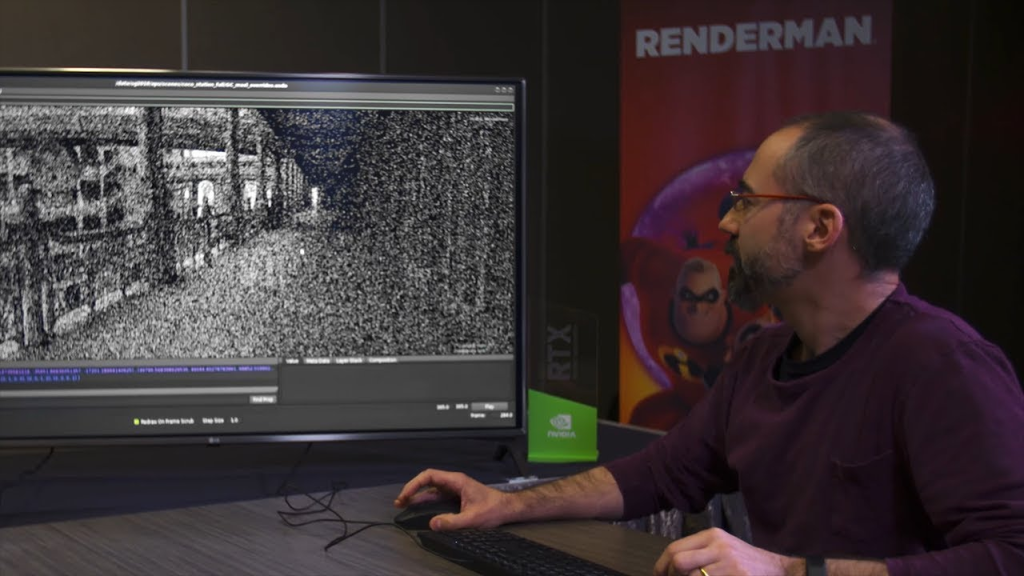
This is exactly the gap that pushes so many studios toward purpose-built systems instead of general-use machines. A Pixar RenderMan and Ryzen workstation is a solid example; it’s configured around the specific demands of RenderMan’s rendering engine, which studios running Pixar’s pipeline lean on heavily for feature and episodic work.
The Real Price Tag on Slow Renders
Time lost to slow rendering rarely stays contained to just the render itself. It ripples outward.
A few of the ways that ripple shows up:
- Artists burn hours waiting on previews instead of pushing shots forward
- Revisions pile up because there’s no time left to iterate properly before delivery
- Studios pay for emergency cloud rendering just to hit a deadline that shouldn’t have been close in the first place
- Overtime costs climb as teams scramble to make up for lost render time
None of this is a talent problem. It’s an infrastructure problem wearing a talent costume, and it’s an expensive one.
Why Studios Keep Underestimating This Cost
Part of the reason inefficient rendering stays hidden is that it doesn’t show up as one dramatic failure. It shows up as a slow accumulation of a few extra hours here, a missed opportunity there, a pitch that didn’t land because the reel wasn’t polished in time.
The Iteration Tax
Every render that takes longer than it should is a tax on creative iteration. Artists naturally pull back from ambitious ideas when testing them is expensive in time. Fast, reliable rendering removes that tax and lets people actually chase the better version of a shot instead of settling for the first one that worked.
The Bidding Problem
Studios that can’t turn work around quickly struggle to compete for projects with tight timelines, even when their creative work is excellent. Clients notice turnaround time as much as they notice quality, and a slow pipeline quietly costs studios work they never even knew they lost.
The Burnout Factor
Artists who spend their days fighting hardware instead of making creative decisions burn out faster. Turnover is expensive, and a lot of it traces back to tools that make good people feel like they’re constantly working against their own machine rather than with it.

Matching Hardware to the Actual Pipeline
Not every rendering pipeline runs on the same engine, and hardware that’s great for one workflow can be mediocre for another. Studios leaning on GPU-accelerated rendering, for instance, often need something tuned specifically for that class of work. A Redshift and Ryzen workstation fits that need well, since it’s built around the core counts and GPU throughput that Redshift-based pipelines depend on to keep render times reasonable.
Studios that match their systems to their actual software stack, instead of relying on generic workstations, tend to see the hidden costs above shrink fast, sometimes within the first few projects.
What This Actually Costs Over a Year
Add it all up over twelve months, and the numbers get uncomfortable fast: overtime pay, missed bids, emergency cloud rendering fees, turnover from burned-out staff, and clients who quietly go elsewhere next time. None of it shows up as a single line labeled “slow rendering,” but together it’s often one of the largest hidden expenses a studio carries.
Final Thoughts
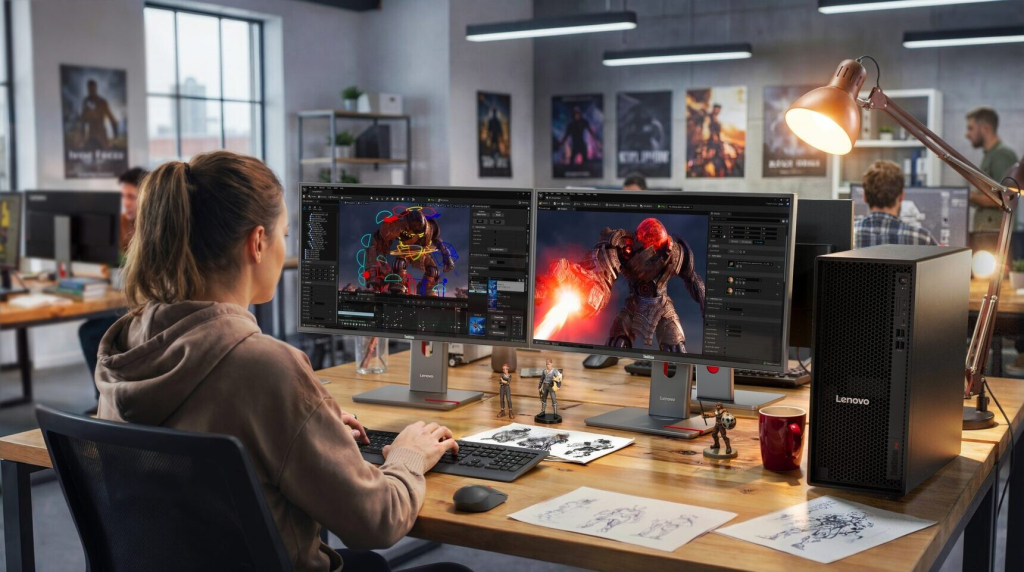
Inefficient rendering pipelines rarely look like an emergency day to day. They look like normal friction: a slow preview here, a crashed render there. But that friction compounds, and by the time a studio notices the real cost, it’s usually already baked into the budget in ways that are hard to untangle. At Cloud Ninjas, we understand that studios need reliable, high-performance infrastructure to keep projects moving without costly delays. Studios that treat their rendering infrastructure as a real investment, rather than something to patch together and hope holds up, tend to spend less over time and produce work that gets delivered without the last-minute scramble. Getting that right starts with hardware built for the actual pipeline in use, not a general-purpose machine stretched past what it was ever designed to handle.
