

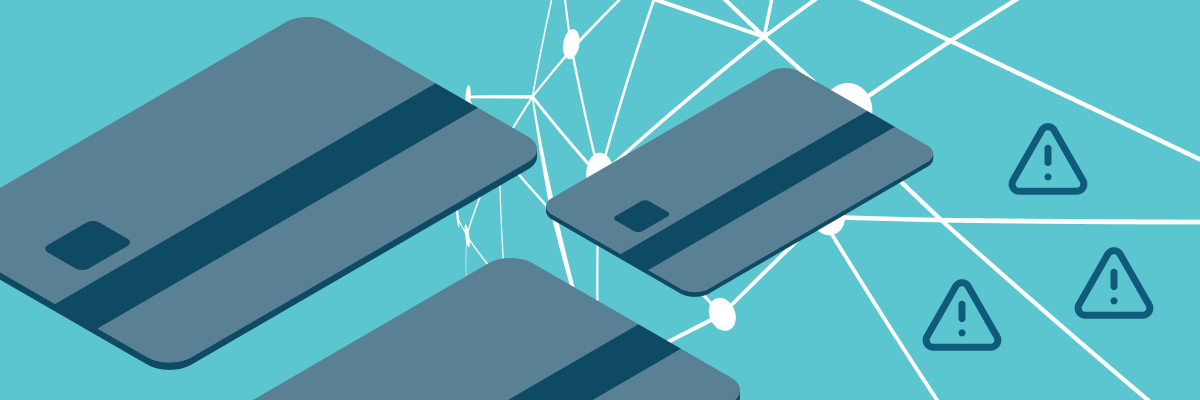
The digital underground has developed into a complex ecosystem where cybercriminals, fraud operators, data brokers, and other illicit actors may interact through online platforms. Within this environment, names associated with alleged carding marketplaces can gain recognition through reputation Castro CC, word of mouth, and repeated references across criminal communities.
One such name that may appear in online discussions is “Castrocvv.” Rather than treating any alleged marketplace as a legitimate service, it is more useful to examine the broader phenomenon: how underground platforms become known, why stolen payment-card data remains a serious threat, and what this means for cybersecurity.
What Is the Digital Underground?
The digital underground refers broadly to online spaces where illicit goods, services, data, and criminal activity may be discussed or exchanged.
These environments can involve:
- Stolen personal information
- Compromised account credentials
- Payment-card data
- Fraud-related services
- Malware-related activity
- Criminal communication networks
Not every claim about an underground platform is accurate. Names may be copied, impersonated, or used in scams. This makes independent verification and responsible reporting especially important.
How Alleged Carding Marketplaces Gain Recognition
Underground platforms may become known through several factors.
Reputation Within Criminal Communities
Criminal networks may rely on informal reputations. A platform may gain attention through claims about reliability, availability, or the quality of its illicit offerings.
Word of Mouth
Private online communities can spread information quickly. Mentions across forums, encrypted channels, or other restricted spaces may increase awareness of a particular name.
Branding and Imitation
Some illicit services attempt to create recognizable identities. At the same time, criminals may impersonate established names to deceive users or steal money.
Longevity
A platform that remains visible over time may gain greater recognition, although longevity does not prove legitimacy, reliability, or authenticity.
Why Stolen Payment Data Is a Serious Threat
The misuse of stolen payment information can affect many different groups.
Consumers
Victims may experience unauthorized transactions, account disruption, identity theft, and the stress of resolving financial fraud.
Businesses
Merchants may face chargebacks, investigations, operational costs, and reputational damage.
Financial Institutions
Banks and payment providers must invest significant resources in fraud detection, investigations, and customer protection.
The Wider Digital Economy
Persistent payment fraud can reduce trust in online commerce and increase the cost of secure digital transactions.
How Payment Information Can Be Stolen
Payment-card data may be exposed through:
- Phishing attacks
- Malware
- Data breaches
- Fake websites
- Social engineering
- Compromised accounts
The methods used by criminals can change over time, but the consequences for victims can be significant.
The Role of Cybersecurity Researchers
Cybersecurity researchers help organizations understand threats associated with financial crime. Their work may involve studying public information, analyzing threat patterns, identifying fraud indicators, and developing defensive tools.
This research can contribute to:
- Improved fraud detection
- Better threat intelligence
- Stronger account security
- Faster incident response
- Greater consumer awareness
Responsible research focuses on defense and prevention rather than providing instructions that could enable criminal activity.
Why Online Claims Require Caution
Information about alleged underground marketplaces is often difficult to verify. Online discussions may include:
- False claims
- Impersonation
- Scams
- Exaggerated reputations
- Outdated information
For this reason, readers should avoid treating anonymous online claims as confirmed facts. Reputable cybersecurity reporting, official investigations, and verified security research provide more reliable context.
Warning Signs of Payment-Card Fraud
Consumers should watch for:
- Unrecognized transactions
- Unexpected login alerts
- Unrequested security codes
- Password-reset notifications
- Suspicious emails or text messages
- Unusual account changes
Regular account monitoring can help identify potential fraud early.
How Individuals Can Protect Themselves
Basic security practices remain important:
- Use unique passwords for important accounts.
- Enable multi-factor authentication.
- Avoid suspicious links and attachments.
- Monitor financial transactions regularly.
- Keep devices and applications updated.
- Contact financial institutions through official channels when fraud is suspected.
These steps can reduce the risk of account compromise and limit potential damage.
The Importance of Responsible Reporting
Reporting on the digital underground requires a careful balance. Public awareness can help consumers and organizations understand threats, but publishing operational details may unintentionally make criminal activity easier.
Responsible coverage should focus on:
- The impact on victims
- General threat patterns
- Fraud prevention
- Cybersecurity defenses
- Law-enforcement challenges
- Consumer protection
The goal should be education and prevention rather than promotion.
Looking Ahead
The digital underground will likely continue to evolve as technology changes. Criminal groups may adopt new communication methods, payment systems, and techniques for targeting victims.
At the same time, financial institutions, cybersecurity researchers, technology companies, and law-enforcement agencies continue to improve detection and prevention capabilities.
Understanding how alleged carding marketplaces gain recognition can help explain the broader structure of online financial crime. However, the most important focus should remain on reducing harm and protecting the people and organizations targeted by these activities.
Final Thoughts
The story of alleged carding marketplaces is ultimately part of a larger conversation about cybersecurity, financial crime, and trust in digital commerce.
Names such as “Castrocvv” may appear in discussions about the digital underground, but the broader lesson is more important than any single name. Stolen payment data creates real risks for consumers, businesses, and financial institutions.
By improving cybersecurity awareness, strengthening fraud detection, and reporting threats responsibly, society can better understand the digital underground without promoting the criminal activity that operates within it.
