

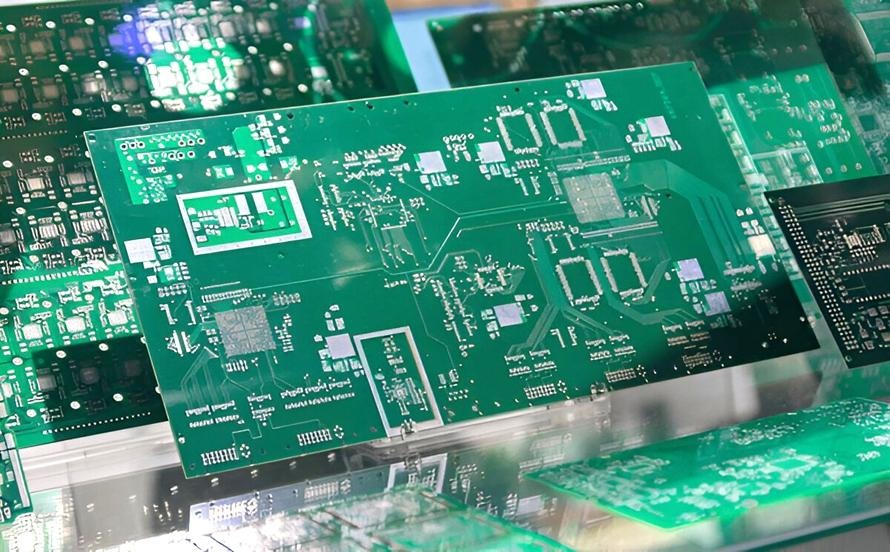
In the electronics manufacturing industry, businesses have several options when it comes to sourcing components and assembling printed circuit boards. One of the most commonly used production models is consignment PCB assembly, a manufacturing approach in which the customer supplies the components while the PCB assembly provider performs the assembly process. This model offers greater control over component sourcing, inventory management, and production costs, making it an attractive option for many electronics companies.
Whether developing prototypes, producing low-volume batches, or managing specialized electronic products, consignment PCB assembly can provide flexibility and cost savings. Understanding how this assembly model works, its benefits, challenges, and applications can help businesses determine whether it is the right choice for their manufacturing needs.
What Is Consignment PCB Assembly?
Consignment PCB assembly is an electronics manufacturing arrangement in which the customer purchases and supplies all required components and materials to the assembly provider. The contract manufacturer is responsible for assembling the components onto the printed circuit board according to the customer’s design specifications.
In a typical consignment assembly project, the customer sends the bare PCBs, electronic components, bill of materials (BOM), assembly drawings, and production documentation to the manufacturer. The assembly provider then performs component placement, soldering, inspection, testing, and final assembly operations.
Unlike turnkey PCB assembly, where the manufacturer sources all materials, consignment PCB assembly allows the customer to maintain full control over component procurement and inventory management.
How Consignment PCB Assembly Works
The consignment PCB assembly process begins with the customer preparing all required materials and documentation.
The first step involves purchasing electronic components from approved suppliers. These components are then packaged and shipped to the assembly facility along with the bare printed circuit boards.
The customer also provides manufacturing files, including Gerber files, assembly drawings, pick-and-place data, and a bill of materials.
Upon receiving the materials, the assembly provider performs an inventory check to verify that all components and boards have arrived correctly and match the documentation.
The assembly process then proceeds through solder paste printing, component placement, soldering, inspection, and testing.
Once production is complete, the finished assemblies are packaged and shipped back to the customer for integration into the final product.
Types of Consignment PCB Assembly
Several variations of consignment PCB assembly are commonly used depending on customer requirements.
Full consignment assembly occurs when the customer supplies all components and bare PCBs. The assembly provider only performs manufacturing operations.
Partial consignment assembly involves the customer supplying some materials while the manufacturer sources the remaining components. This hybrid model can help reduce procurement challenges for hard-to-find parts.
Kitted consignment assembly refers to a process where all components are organized into kits before being delivered to the manufacturer. This approach helps streamline production and reduce assembly errors.
Each model offers different advantages depending on production volume, supply chain complexity, and project requirements.
Benefits of Consignment PCB Assembly
One of the primary advantages of consignment PCB assembly is greater control over component sourcing. Customers can select their preferred suppliers and ensure that only approved parts are used in production.
Cost management is another significant benefit. Companies that have established supplier relationships may be able to obtain components at lower prices than the assembly provider.
Inventory flexibility is also improved. Businesses can manage their own stock levels and allocate components across multiple projects as needed.
Consignment assembly can be particularly useful during periods of component shortages because customers may have access to inventory sources that are unavailable to manufacturers.
Additionally, this approach provides greater visibility into component quality and traceability, helping ensure compliance with industry standards and customer requirements.
Challenges of Consignment PCB Assembly
While consignment PCB assembly offers many advantages, it also presents several challenges that businesses must consider.
One of the biggest challenges is inventory management. Customers are responsible for ensuring that all required components are available and delivered on time. Missing or incorrect parts can delay production schedules.
Logistics can also become more complex because multiple shipments may be required to transport components and boards to the assembly facility.
Component shortages or procurement errors may increase project risk if customers lack strong supply chain management capabilities.
Another challenge involves quality control. Customers must verify that sourced components meet performance and reliability requirements before they are sent for assembly.
Administrative workload can also increase, as customers must coordinate procurement, inventory tracking, and material deliveries.
Careful planning and communication are essential to minimize these potential issues.
Manufacturing Process in Consignment PCB Assembly
The manufacturing process used in consignment PCB assembly is similar to other PCB assembly methods.
Solder paste is first applied to the PCB using precision stencil printing equipment. The solder paste prepares the board for component attachment.
Automated pick-and-place machines then position components onto the PCB according to the assembly program.
The assembled board passes through a reflow oven, where controlled heating melts the solder and creates electrical connections.
For through-hole components, wave soldering or selective soldering may be used.
After assembly, inspection and testing procedures are performed to verify quality. Automated Optical Inspection (AOI), X-ray inspection, in-circuit testing, and functional testing help identify defects and confirm proper operation.
These manufacturing processes ensure consistent quality regardless of the sourcing model.
Applications of Consignment PCB Assembly
The flexibility of consignment PCB assembly makes it suitable for a wide range of industries and applications.
Electronics startups often use consignment assembly during product development because it allows them to maintain direct control over component sourcing and costs.
Medical device manufacturers frequently choose consignment assembly when specialized or regulated components are required.
Industrial automation companies use this approach for control systems, monitoring devices, and custom equipment that rely on approved supplier networks.
Aerospace and defense organizations may also prefer consignment assembly to maintain strict oversight of component traceability and quality.
Research institutions and engineering firms often use consignment assembly for prototype and low-volume production projects where specialized components are involved.
Quality Control in Consignment PCB Assembly
Maintaining quality is essential in consignment PCB assembly, especially because components originate from customer-managed supply chains.
Manufacturers typically perform incoming material inspections to verify component quantities, packaging integrity, and part identification.
Automated Optical Inspection systems help detect assembly defects such as missing components, polarity errors, and soldering issues.
X-ray inspection may be used for advanced packages such as Ball Grid Arrays (BGAs) and hidden solder joints.
Electrical testing verifies circuit functionality and component performance.
Traceability systems record manufacturing data and material usage, helping support quality assurance and regulatory compliance requirements.
Strong collaboration between the customer and assembly provider is critical for maintaining high-quality production standards.
Choosing a Consignment PCB Assembly Partner
Selecting the right provider for consignment PCB assembly can significantly influence project success.
Manufacturing experience should be carefully evaluated, particularly if the project involves complex assemblies or specialized industries.
The assembly provider should offer advanced equipment, inspection capabilities, and comprehensive testing services.
Effective communication is essential to coordinate material deliveries, resolve component issues, and manage production schedules.
Quality certifications such as ISO 9001 and IPC standards demonstrate a commitment to manufacturing excellence.
Production flexibility is also important, especially for projects that may require design changes or varying production volumes.
A reliable assembly partner can help ensure smooth production and consistent product quality.
Future Trends in Consignment PCB Assembly
As global supply chains continue to evolve, consignment PCB assembly remains an attractive option for companies seeking greater procurement control and flexibility.
Digital inventory management systems are improving visibility into component availability and reducing logistical challenges.
Advanced manufacturing technologies, including automation and artificial intelligence, are helping assembly providers increase efficiency and reduce production errors.
The growing demand for specialized electronics, IoT devices, medical equipment, and industrial automation systems is expected to drive continued adoption of consignment assembly models.
These developments will further enhance the value of consignment PCB assembly in modern electronics manufacturing.
Conclusion
Consignment PCB assembly offers a flexible and cost-effective manufacturing solution for companies that prefer to manage their own component sourcing and inventory. By providing greater control over procurement, supplier selection, and material quality, this approach can help businesses optimize production costs while maintaining high standards of reliability and performance.
As electronics become increasingly specialized and supply chain management grows more complex, consignment assembly will continue to play an important role in the industry. Companies seeking production flexibility, component control, and dependable manufacturing often partner with a trusted consignment PCB assembly service provider to achieve successful and efficient electronics production.
