

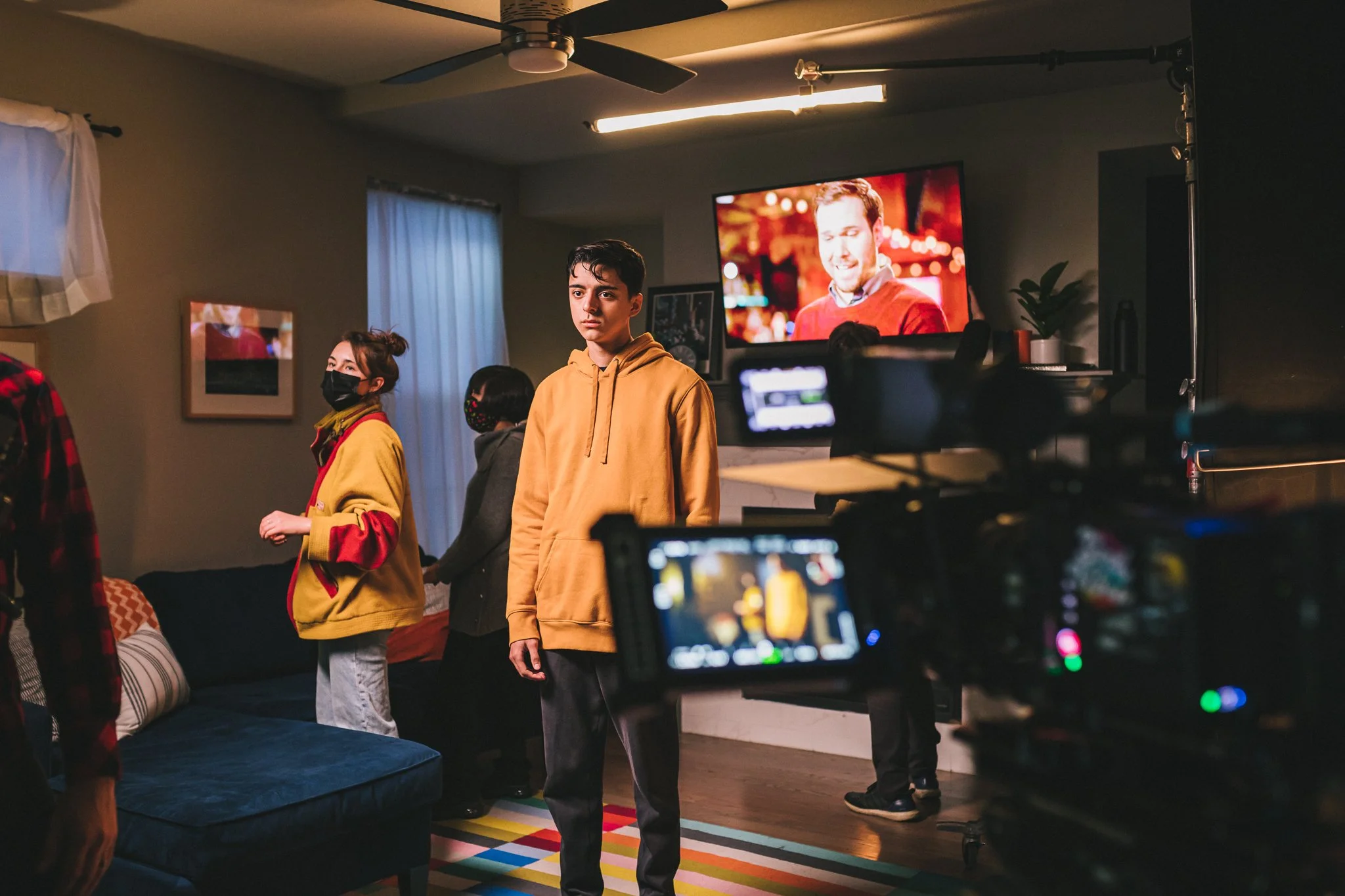
The entertainment industry thrives on moments that feel effortless to the audience. A concert that starts on time, a streaming platform that works without buffering, a theme park ride that resets quickly between guests. What people see is the experience. What they rarely see is the coordination, technology, and support work happening behind the scenes to make those moments possible. Entertainment companies operate in fast-moving environments where small disruptions can quickly become public problems. In that context, structured support systems, including help desk software, can play a quiet but powerful role in keeping everything running smoothly.
From live events and film production to gaming studios and digital streaming services, entertainment organizations depend on interconnected teams and systems. When something breaks or stalls, response time matters. Having a clear way to manage issues, questions, and internal requests helps teams stay focused on creating memorable experiences instead of scrambling to fix avoidable problems.
The Operational Complexity of Entertainment Businesses
Entertainment companies often work under tight deadlines and public scrutiny. A missed cue, a system outage, or a delayed response can affect not just internal workflows but also audience perception. Unlike many industries, entertainment issues are often highly visible. Fans notice when a show is delayed, a ticketing system crashes, or an online service goes offline.
Behind these public-facing moments are teams handling logistics, technology, customer support, and creative production. Communication between these groups must be fast and precise. Informal reporting methods like emails, text messages, or verbal updates can easily get lost in high-pressure situations, especially when multiple teams are involved.
A structured system for capturing and tracking issues helps entertainment organizations manage this complexity without slowing creativity.
Why Consistent Support Processes Matter
In entertainment, consistency is key. Whether dealing with audience inquiries, technical issues, or internal requests, teams need reliable processes that work even during peak demand. Without consistency, small issues can escalate quickly.
Centralized support processes create shared visibility. When an issue is logged, everyone knows it exists, who is responsible, and what progress has been made. This clarity reduces duplicate work and prevents misunderstandings between departments.
For leadership, consistent tracking also provides insight into recurring challenges. Over time, patterns emerge that reveal where systems need improvement or where additional resources are required.
Help Desk Software
Help desk software refers to platforms that collect, organize, and manage requests through a ticketing system. In the entertainment industry, these requests may come from customers, partners, or internal teams. A ticket might represent a streaming issue, equipment malfunction, access request, or customer inquiry.
Help desk software is not about replacing creative problem-solving or personal interaction. Instead, it provides structure. It ensures that issues are documented, assigned, and followed through. For entertainment companies operating at scale, this structure helps maintain order during busy periods without stifling flexibility.
The real value lies in having a single source of truth for support-related communication.
Supporting Live Events and Productions
Live entertainment leaves little room for error. Concerts, theater performances, festivals, and sporting events depend on precise coordination. Technical issues, staffing concerns, or equipment failures must be addressed immediately.
A help desk system allows staff to report issues quickly and route them to the appropriate team. Lighting problems, audio glitches, or access concerns can be logged and escalated without relying solely on verbal communication. This reduces confusion and ensures that nothing critical is overlooked.
After the event, records of reported issues provide valuable insight for future planning. Teams can identify what went wrong, what was resolved efficiently, and what needs improvement next time.
Enhancing Digital Entertainment Experiences
The entertainment industry increasingly relies on digital platforms. Streaming services, online games, and virtual events must operate reliably to meet audience expectations. When users encounter issues, they expect fast and clear responses.
Structured support systems help manage this demand. Customer inquiries can be tracked and prioritized. Technical teams gain visibility into common issues, allowing them to address root causes rather than repeatedly handling symptoms.
This approach supports better uptime and a smoother user experience, which directly affects brand reputation and customer loyalty.
Improving Internal Collaboration
Entertainment projects often involve cross-functional teams working under pressure. Creative professionals, technical staff, marketing teams, and operations all contribute to the final product. Miscommunication between these groups can slow progress or create frustration.
A shared support platform provides a neutral space for managing requests and issues. Instead of relying on informal messages or last-minute conversations, teams can submit requests that are visible and trackable. This reduces interruptions and allows people to manage their time more effectively.
Clear workflows also help onboard new team members quickly, which is especially valuable in industries with freelance or project-based staffing.
Learning From Data and Patterns
Entertainment organizations generate large volumes of support data, but it often goes underutilized when handled informally. Help desk systems capture this data automatically. Over time, managers can analyze trends to understand where disruptions occur most frequently.
For example, repeated equipment failures may point to aging hardware. Frequent customer complaints about a specific platform feature may indicate usability issues. These insights support proactive improvements that enhance both internal efficiency and audience satisfaction.
Using data to guide decisions helps entertainment companies stay agile and competitive.
Balancing Technology With Creativity
Creativity sits at the heart of entertainment. Support systems should enhance, not hinder, that creativity. When implemented thoughtfully, help desk tools operate quietly in the background, freeing teams from administrative friction.
By reducing chaos and uncertainty, structured support allows creative professionals to focus on what they do best. Problems are handled efficiently, communication is clearer, and stress is reduced during critical moments.
This balance helps organizations maintain a culture that values both artistic expression and operational excellence.
A Foundation for Reliable Experiences
Audiences may never know that a help desk system played a role in their favorite concert, game, or show. What they will notice is reliability. Smooth transitions. Fast responses. Fewer visible issues.
Help desk software supports these outcomes by bringing structure to how entertainment organizations handle problems and requests. In an industry where experiences define success, having strong support systems behind the scenes can make all the difference. By investing in clarity, accountability, and coordination, entertainment companies create the conditions for unforgettable moments to happen again and again.
