

Procurement software is an innovation meant to organise the purchasing process of businesses by using digital technology. It is a highly advanced tool that simplifies the procedure of paper-oriented purchasing to establish automated workflows, which increases efficiency and lowers expenses. Contemporary procurement software acts as organisational policy in the area of purchasing and helps the company control vendors, follow spending, and adhere to purchasing policies.
The key difference of procurement software is that it involves pooling all purchasing-related functions under one location. Firms can handle partnerships with suppliers and contract negotiations, and oversee purchase orders as well as the processing of the invoices. This holistic method then eliminates the segmentation that normally arises when different departments operate on different systems in executing the procurement processes.
Essential Elements of the New Procurement Solutions
Procurement software currently available includes multiple modules that are thought to cover a particular part of the purchasing process. All these elements are integrated to perform harmoniously to give a harmonious procurement ecosystem that will sustain organisational goals and objectives.
Supplier management is another important constituent, as it enables companies to keep detailed databases of information about vendors, their performance analytics, and contractual details. This top-down method would help the procurement teams make smart decisions in selecting suppliers and negotiating contracts.
The management of purchase requisitions is another critical area because it allows employees to request purchases of goods and services using standardised digital forms. The procurement software will automatically direct such requests across suitable authorisation procedures, thereby remaining within the provisions of the company policies as well as budgetary restrictions.
Exploring Procure-to-Pay Systems
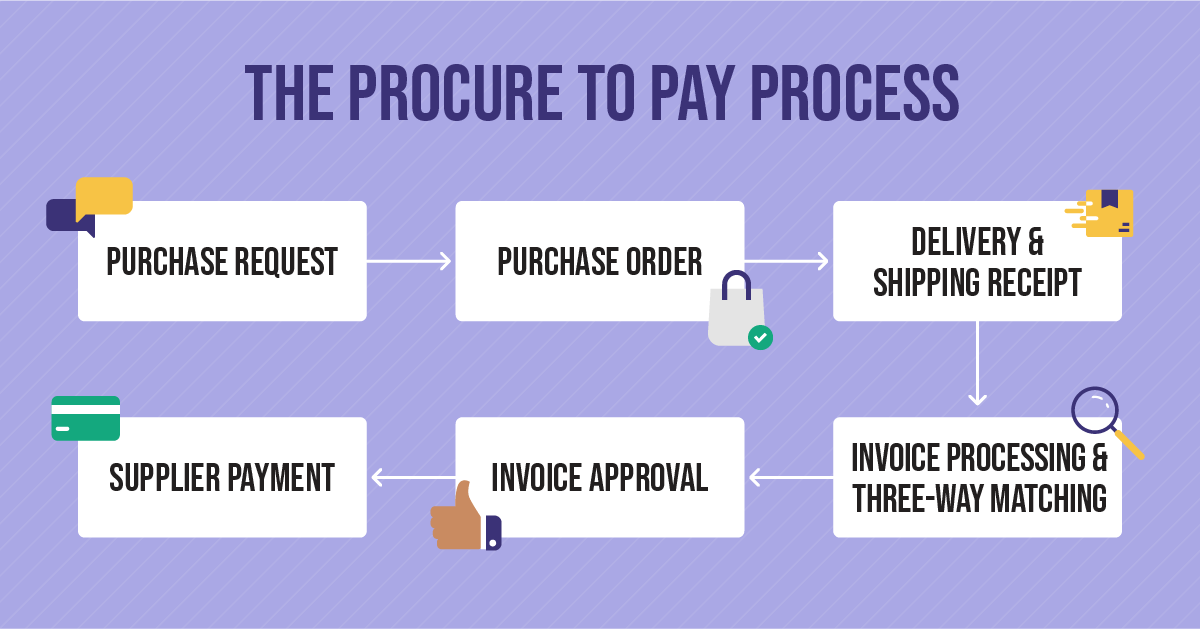
Procure to pay systems do reflect the full cycle of the actions in the process of procurement, starting with the identification of need and finishing with the processing of outcomes. These seamless systems combine the two by combining procurement software and financial management solutions in order to ensure that complete visibility and control over buying processes is achieved.
The procure to pay systems process starts with the employee recognising that he/she require goods or services. With the help of the integrated system, they are able to search catalogues, compare prices, and make purchase requisitions. Subsequent procurement software takes over the process of approval so that every purchase made can fit the policy of the company and its allocation of an amount in the budget.
Procure to pay systems automatically produce purchase orders once they are approved and roll them out to specified suppliers. Such automation saves labour and also saves on errors that may come about in paper-based processes. The order is then followed up to the stage of delivery, receipt confirmation, and invoice processing.
The Role That Procurement Software Can Have in Business Transformation
With the implementation of procurement software, there are revolutionary advantages to organisations regardless of size. These systems have the ability to automate the everyday processes, as well as give real-time visibility to the purchasing activities, allowing the procurement departments to have the ability to focus on the strategic activities as opposed to administrative tasks
One of the greatest benefits of contemporary procurement software is linked to the savings that it brings. The system offers comprehensive analytical and reporting features that assist organisations to realise their spending trends, procure better prices with their vendors, and do away with maverick spending. Enterprises can monitor their purchasing performance regarding essential indicators and use the available data to make rational decisions and improve their buying policies.
Streamlining Operations Through Integration
When the procurement software can integrate effectively with the existing business systems, its actual power becomes noticeable. The contemporary solutions are integrated with enterprise resource planning platforms, financial management applications, and supplier databases to build a coherent procurement environment.
This integration removes the data silos that have historically been a problem in the procurement departments. Automatic transfer of information between systems eliminates manual data input and enables fewer errors. As a concrete example, when a purchase order is created by the procurement software, the inventory records and financial records are updated automatically.
Automating Contemporary Procurement
Effective procurement software is built on the basis of automation, and automation replaces tedious manual work with effective and efficient digital processes. Increasing responsiveness to requisites through automated approval routing will send purchase requests to the right decision-makers (shrinking cycle time).
Another major development is the automation of invoice processing, where procurement software has the ability to automatically match the invoices to the orders and receipts. This triangular matching shortens the cycle of accounts payable and minimizes the chance of payment error and fraud.
The advanced reporting functions in procurement software deliver stakeholders real-time reporting on key measures, without the need to compile data on a manual basis. The reports assist organisations to track the effectiveness of their procurement processes and pinpoint areas that need to be further improved.
Sustaining Strategic Procurement Initiatives
In addition to operational efficiency, procurement software allows organisations to implement strategic procurement initiatives that lead to value. Its functionality in collecting and analysing all the data enables strategic sourcing decisions, supplier diversity programmes, and sustainability initiatives.
Once backed by procurement software with deep spend analysis and supplier performance data, strategic sourcing is more effective. Organisations will be able to find opportunities to be able to consolidate suppliers, negotiate volumes, and build preferred supplier relationships using hard performance data.
Conclusion
The use of integrated procure to pay systems and the selection of advanced procurement software have changed the face of modern business procurement at a fundamental level. These technology solutions have transformed buying tools into holistic sourcing platforms, which enable organisational efficiency, cost streamlining, and creation of value on the strategic level.
